Chania Old Harbor Digital Tour
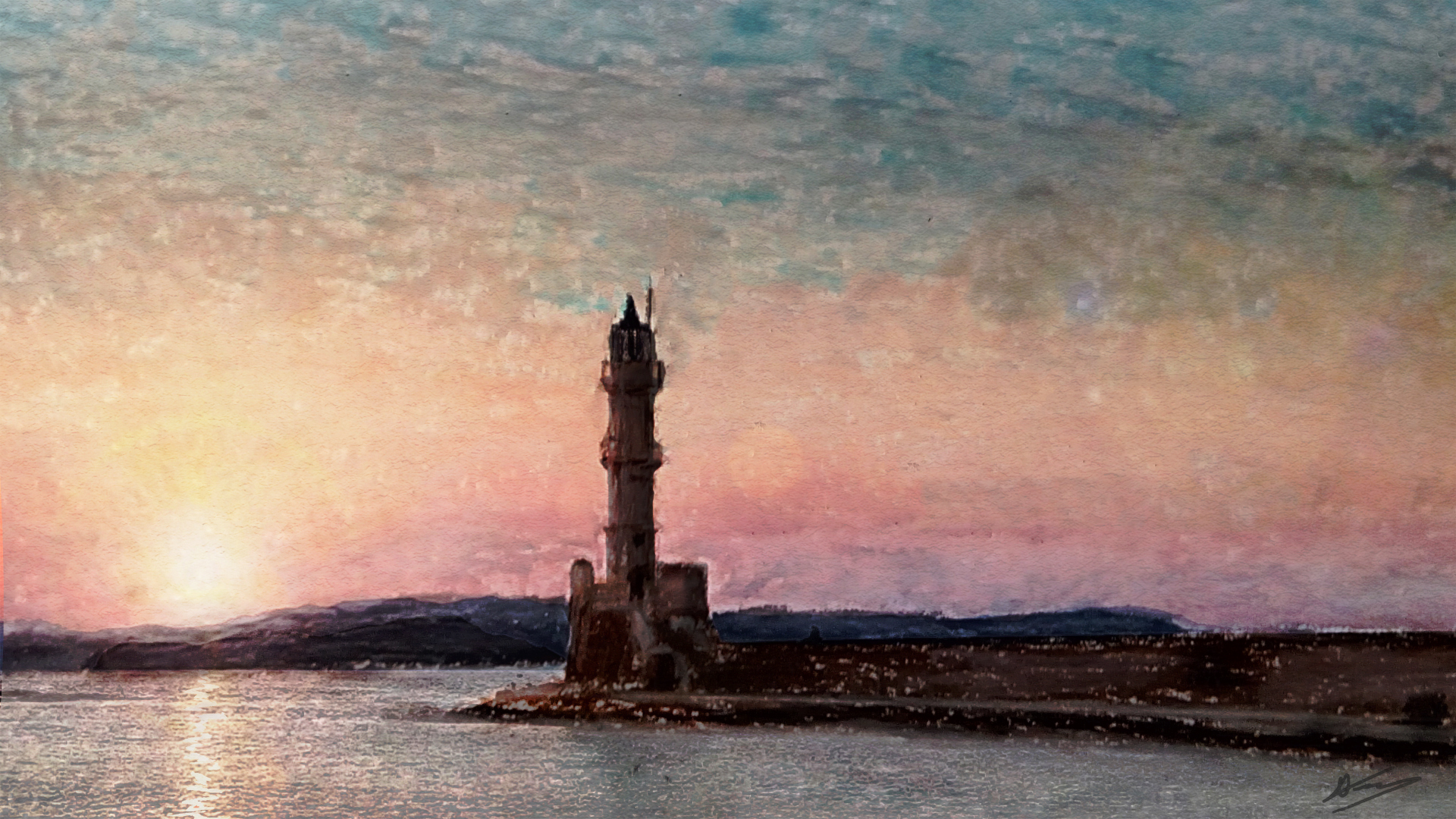
Experience the Old Venetian Harbor of Chania, Greece
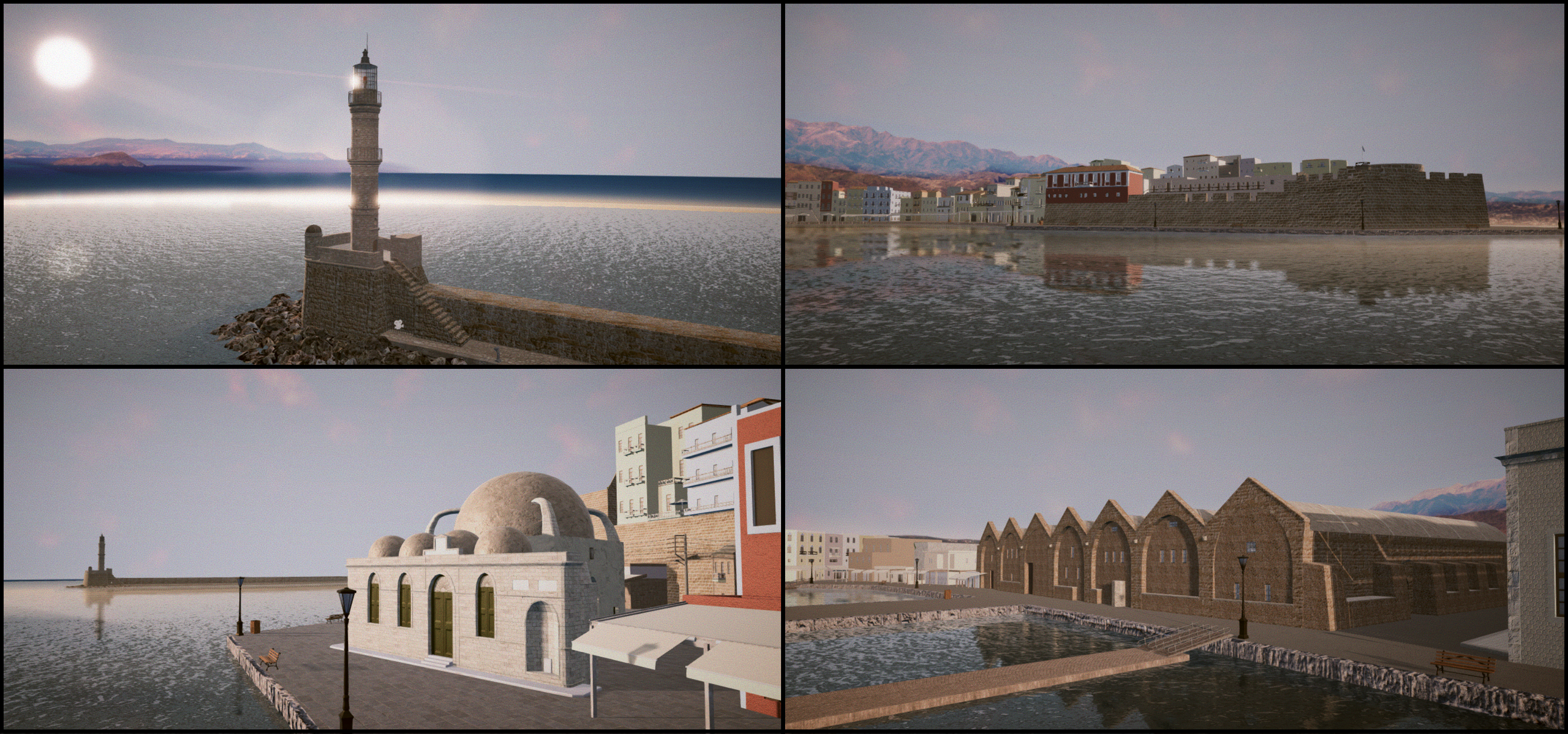
A computer application presenting a detailed three-dimensional reconstruction of Chania's Old Venetian Harbor. It combines free first-person exploration with a guided, narrated route to communicate architectural structure, spatial relationships, and historical context all within an interactive virtual environment.
Download InstallerAbout the Project
Blending visual arts, digital technology, and cultural storytelling, the work transforms a historically significant urban environment into an interactive virtual world.
Developed as a standalone application, it allows users to explore the harbor through means of both guided and free navigation, offering an evocative sense of presence and atmosphere. The project was not only an academic exploration of virtual environments and cultural representation but also part of a broader initiative to promote remote urban tourism.
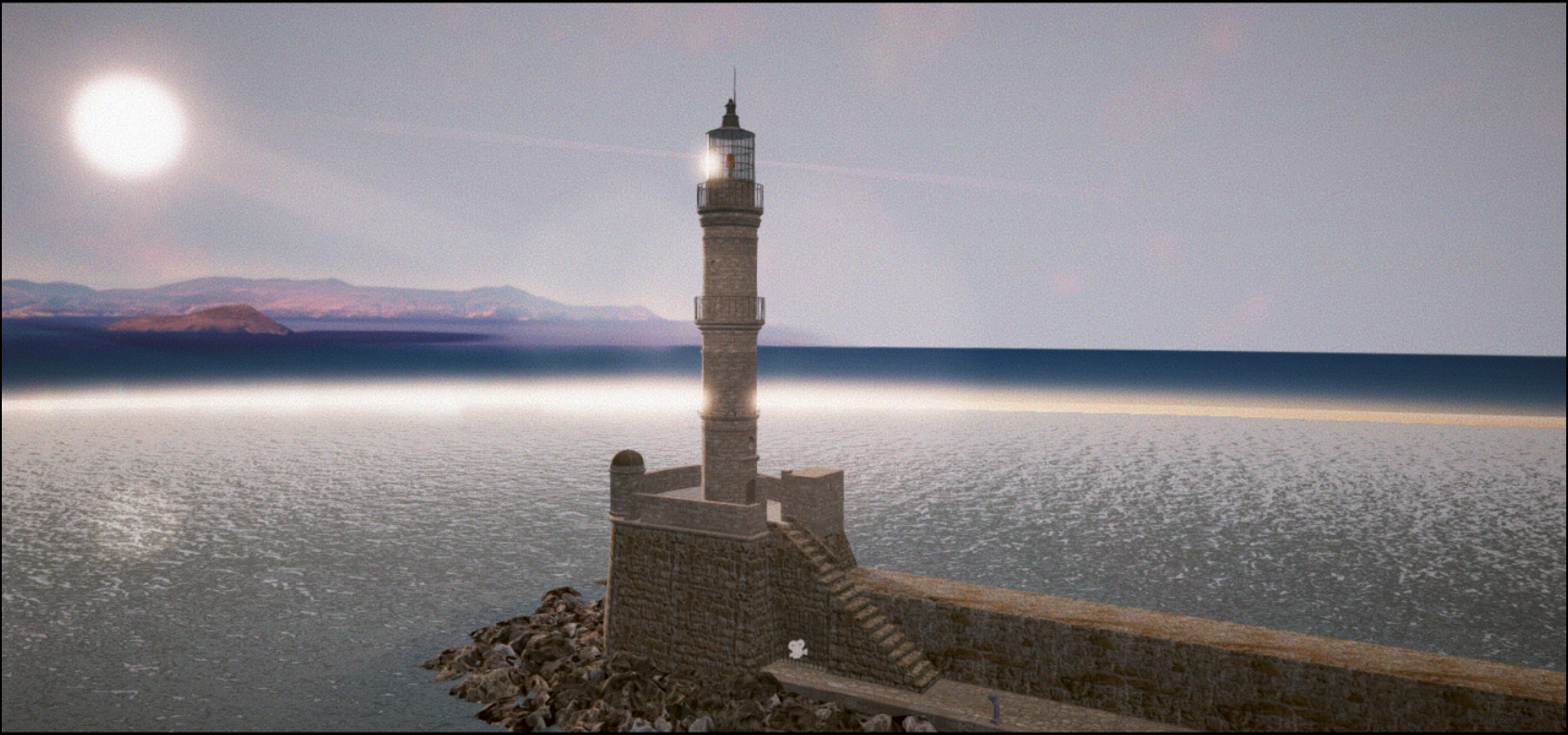
This project was developed by Theodoros Georgiakakis as a part of an MA Thesis, for Ionian University, Department of Audio and Visual Arts. It centers on the creation of a digital, three-dimensional reconstruction of the Old Venetian Harbor of Chania, designed as an immersive cultural experience.
The final application was showcased at local cultural festivals taking place in Crete, where it served as an accessible, engaging way for audiences to experience a landmark of Chania's heritage—highlighting how digital media can preserve, interpret, and share cultural identity and history with wider communities.
Digitization
The digitization process began with an extensive photographic survey of the Old Venetian Harbor area, gathering over 3,000 reference images shot from land, sea, aerial drone, and satellite to get a better sense of the site's structures, proportions, and spatial relationships.
These photographs served as the primary reference material for reconstructing the entire area in 3D, guiding the layout, scale, and architectural details of each building block. While most geometry was modelled manually, the textures of key buildings were derived directly from real photographs of their surfaces, processed and adapted into seamless materials to preserve the authentic visual character of the original structures.
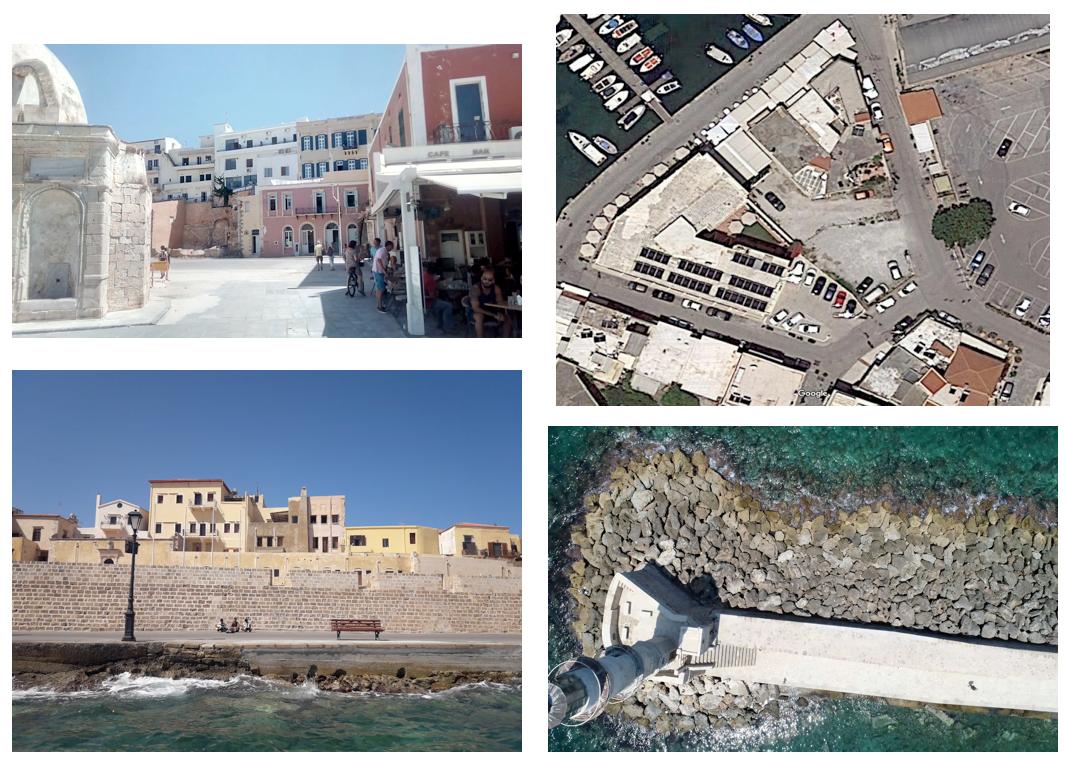
Through this combination of large-scale reconstruction and texture extraction from real imagery, the digitization phase established a faithful digital foundation for the virtual environment.
Storytelling Techniques
Exploration
The exploration experience is structured around two complementary modes that shape how the user encounters the Old Venetian Harbor. Along the jetty, movement is completely unencumbered, allowing users to wander at their own pace and absorb the atmosphere of the reconstructed environment through first-person navigation. The rest of the harbor unfolds through a curated, guided presentation that uses cinematic camera paths combined with voiceover narration.
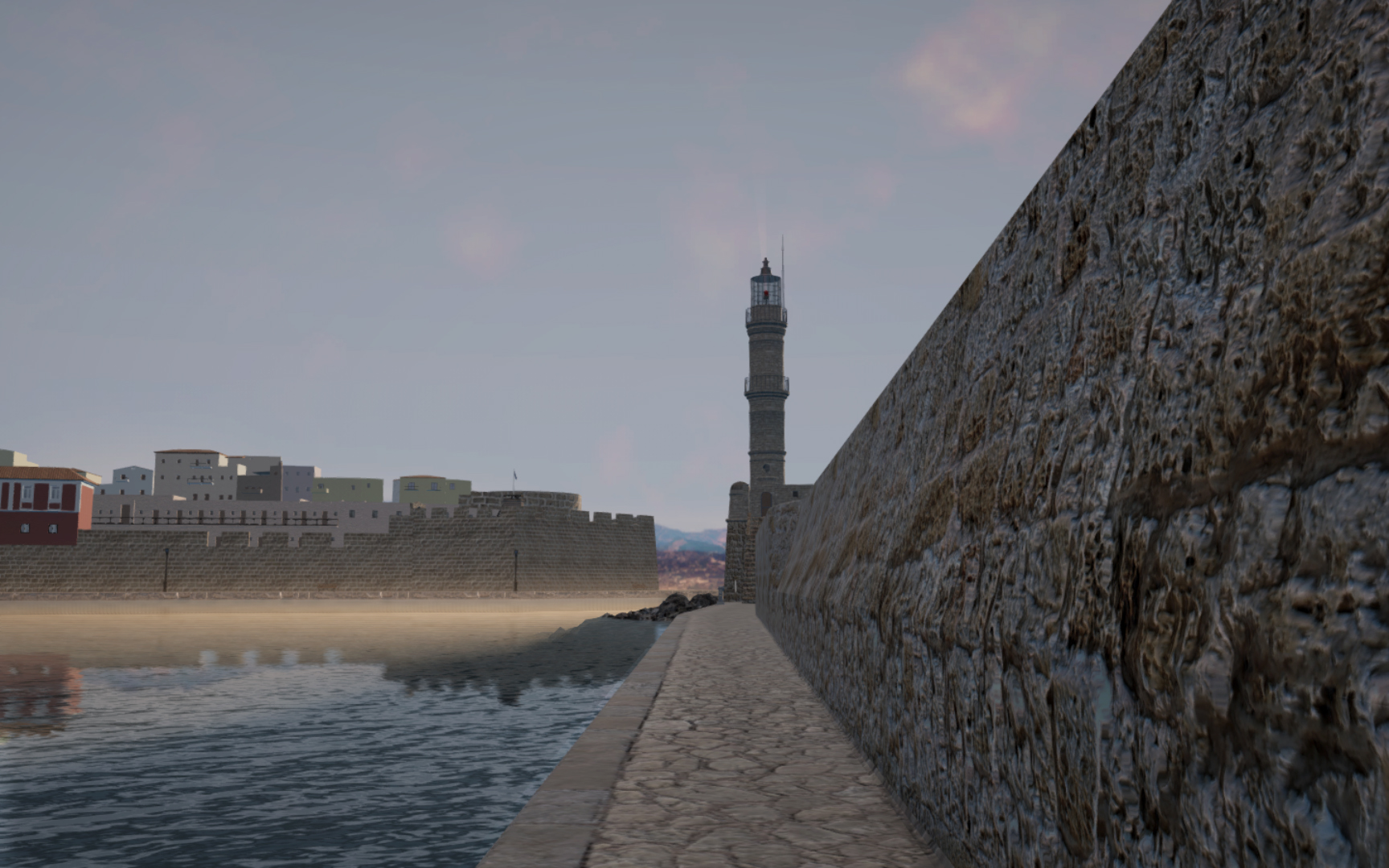
This narration highlights the historical significance of each point of interest, turning the guided portion into a structured storytelling experience that complements the exploration aspect of the virtual environment. Together, these two modes balance free exploration with a curated narrative journey.
Interactivity
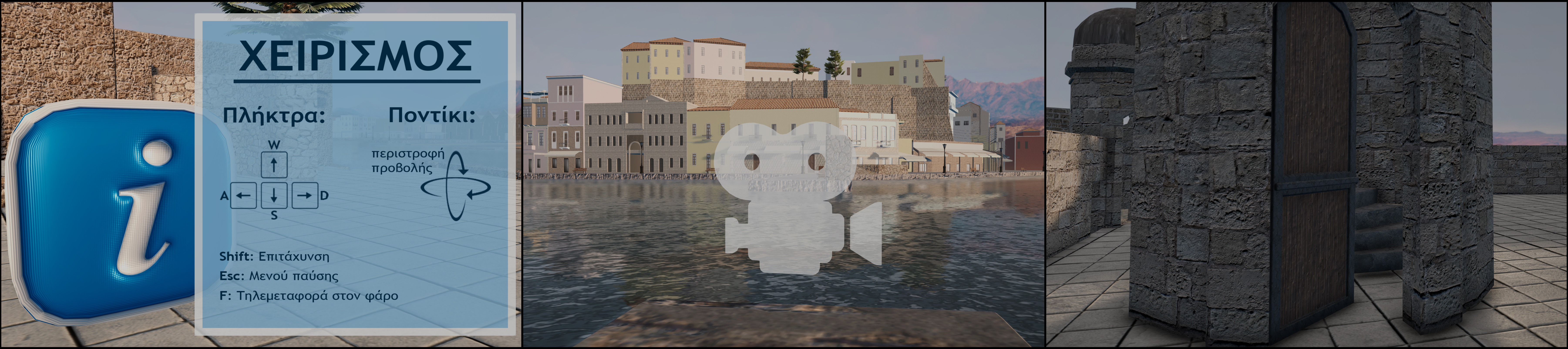
Interactivity is central to creating a sense of immersion and embodiment within the virtual environment. The user navigates the space through a first-person controller, experiencing the harbor as if physically present—moving, looking around, and responding to the environment in real time. Interactive elements such as information triggers, narrated points of interest, and environmental feedback reinforce this embodied presence, transforming the scene from a static reconstruction into a lived-in digital space. Through this combination of user embodiment, environmental feedback, and contextual information, the application encourages users not just to observe the harbor but to inhabit it, deepening both immersion and emotional connection to the locale.
Multimedia
For the scene's soundtrack, two music tracks were composed, influenced by the general aesthetics of the scene (time of day, weather, atmospheric colors) and also by the tradition and culture of the real world location. The first track, entitled “Beacon of Light”, is a piece of electronic music that simulates classical orchestra instruments alongside discreet electronic instruments. The second track is also a composition of electronic music, albeit with more traditional and folklore characteristics, with the Cretan “Lyre” (also known as Kemence) as its main instrument, to highlight the cultural and folklore characteristics of the rural community.
Audio tracks of a studio voiceover recording, performed by Manousos Chatzistavrakis, were produced to guide the curated part of the tour and mixed with simplified versions of the soundtrack to provide a subtle musical background to the narration.
Innovation
The innovative strength of this project lies in how it transforms a large, historically significant urban environment into an accessible digital experience that promotes and supports remote urban tourism. By reconstructing the entire Old Venetian Harbor with attention to atmosphere, cultural identity, and emotional resonance, the application offers a way for users to meaningfully explore a real place without being physically present. Through a blend of free navigation, guided narration, and immersive audiovisual design, it creates a hybrid form of cultural storytelling that goes beyond static virtual tours. Presented at local cultural festivals, the project demonstrates how digital environments can extend the reach of heritage sites, inviting remote audiences to engage with urban history in a vivid, experiential way while potentially inspiring future in-person visits.